How Do You Build a CI/CD Pipeline That Supports Safe Delivery?
Quick Answer: Build a safe CI/CD pipeline by creating one immutable artifact, running fast automated quality and security checks, protecting credentials and approvals, and promoting the same artifact through environments. Use small changes, backward-compatible database migrations, progressive rollout, health checks, and tested rollback or roll-forward procedures. Measure feedback time and production outcomes together.

Which Checks Belong in the Delivery Pipeline?
Run formatting, static analysis, unit tests, dependency checks, secret detection, and focused integration tests early enough to guide the author. Add contract, migration, end-to-end, performance, or security tests according to the risk of the system. A slow exhaustive pipeline encourages large batches and workarounds, so keep the fastest useful feedback near the change.
Build an immutable, traceable artifact once and promote it through environments. Record source revision, dependencies, build process, and deployment identity. Protect signing keys, cloud credentials, runners, branches, and approval rules because the delivery system is a privileged path into production.
How Should a Release Reach Production?
Use automated environment checks and deploy small changes through a progressive strategy such as a canary, staged tenant rollout, or feature flag. Observe technical health and user outcomes before expanding exposure. Manual approval can support a high-risk decision, but it should not replace evidence or a repeatable deployment.
Design database changes for mixed application versions. Expand the schema, migrate or backfill safely, switch behavior, and remove old structures only after verification. Large migrations need rate limits, progress visibility, pause controls, and a recovery plan that does not assume an instant database rollback.
| Stage | Primary control | Failure response |
|---|---|---|
| Change | Small scope and automated feedback | Fix before merge |
| Build | Immutable traceable artifact | Stop promotion |
| Release | Progressive exposure and health checks | Pause, roll back, or flag off |
| Learn | Delivery and production measures | Improve the focused control |
Pipeline speed and production safety should improve together; either metric alone gives an incomplete picture.
How Do You Know the Pipeline Is Improving Delivery?
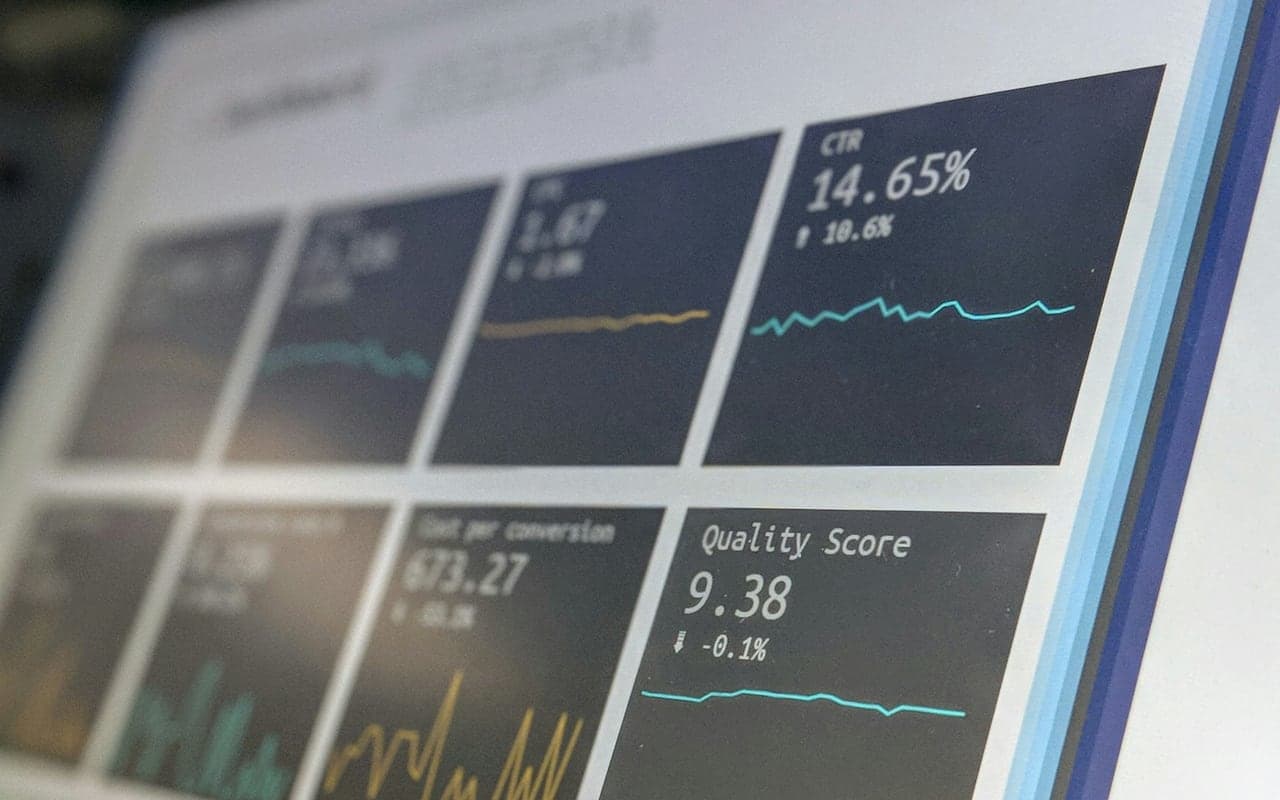
Measure time to feedback, build reliability, deployment frequency, lead time, failed change rate, recovery time, and repeated manual intervention. Review production incidents and near misses for missing pipeline controls, but avoid adding a slow global gate when a focused test or safer architecture would solve the actual risk.
Practice rollback and roll-forward, keep runbooks current, and remove obsolete release paths. HashBaze helps teams build delivery automation, test strategy, observability, and operational ownership that increase release confidence without turning the pipeline into a queue.
Frequently asked questions
Clear answers to the most important questions covered in this guide.
How Can HashBaze Help With This Work?
Explore our product development services or bring us your current product challenge for a focused technical conversation.