How Do You Design Oracle Integrations for Smart Contracts?
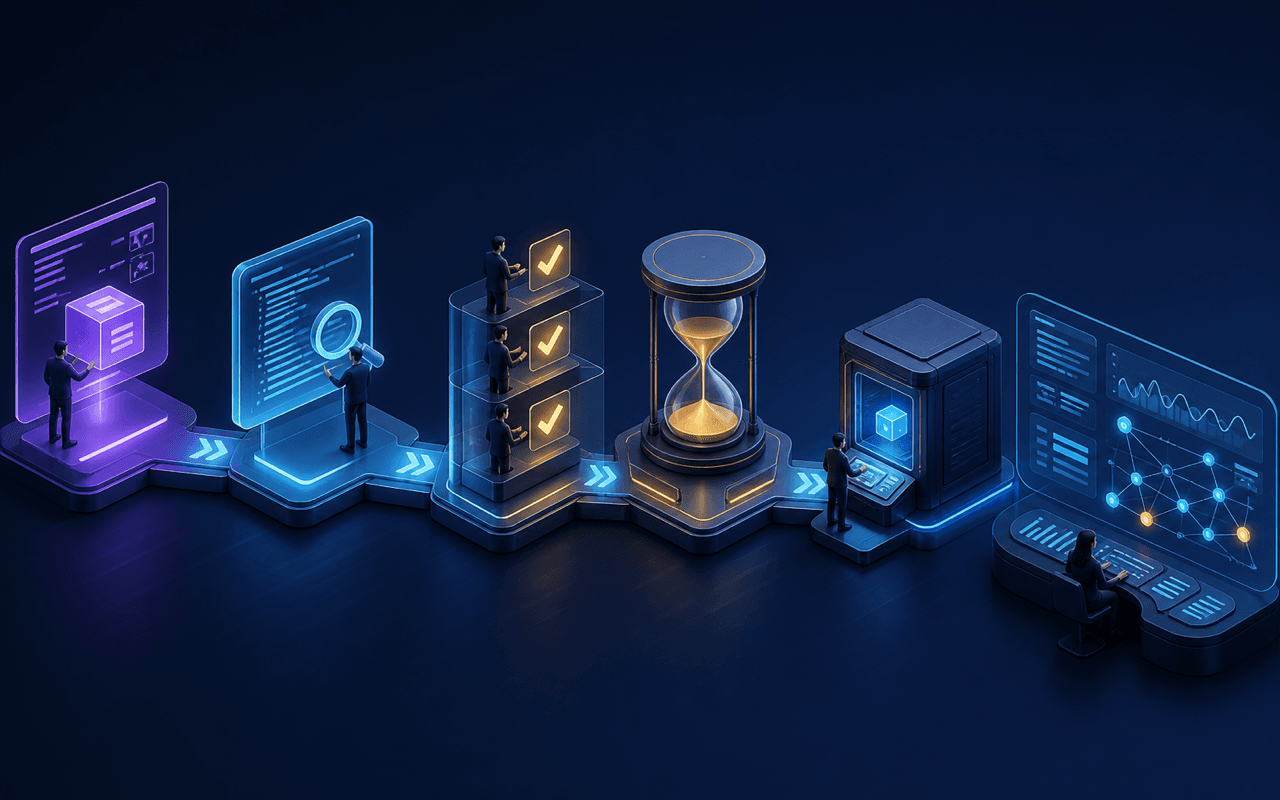
Quick Answer: Design a smart-contract oracle integration by defining the exact external fact, acceptable sources, freshness, precision, and failure behavior. Validate update time and bounds on-chain, aggregate independent sources where the risk requires it, and add circuit breakers for stale or implausible values. Test provider outage, market disruption, chain congestion, and manipulation before launch.
What Trust Assumptions Does an Oracle Introduce?
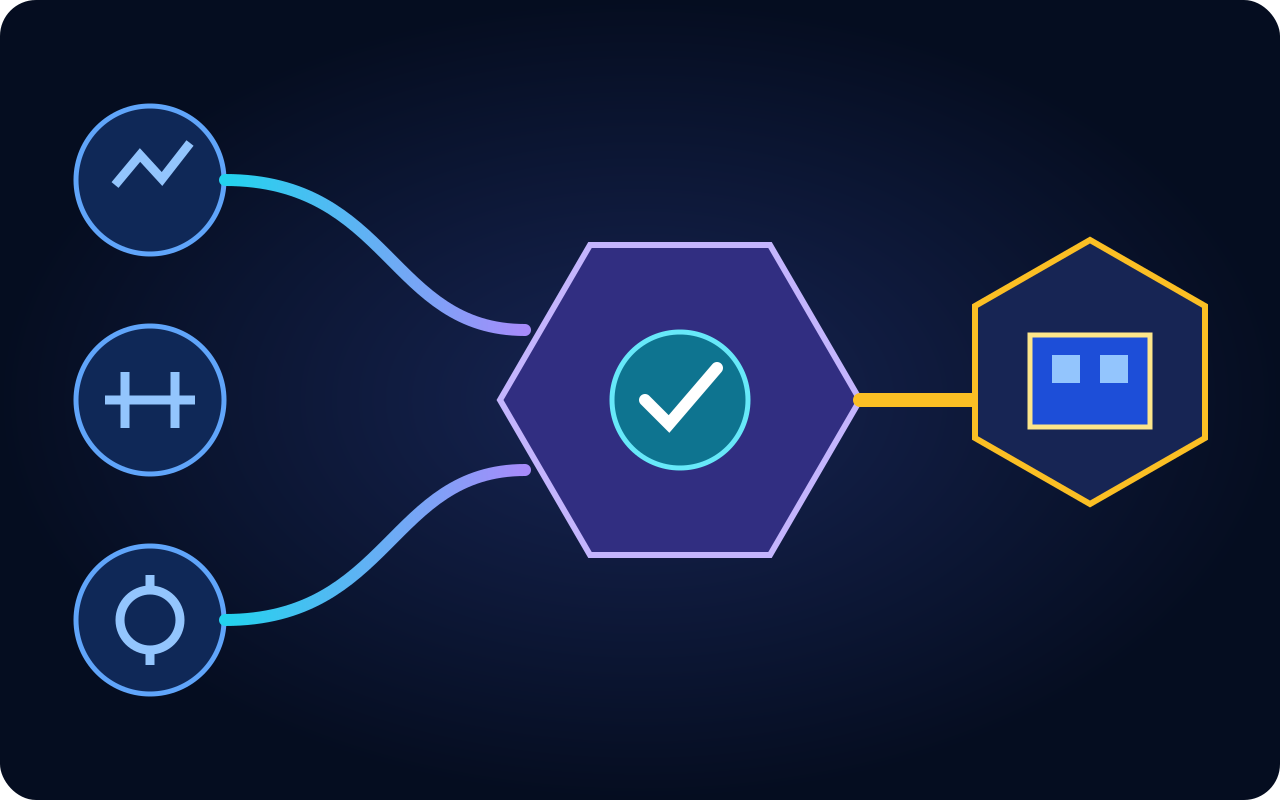
A smart contract cannot independently verify most off-chain facts. Document where the value originates, how it is observed, aggregated, signed, transmitted, updated, and challenged. Identify operators, administrators, economic incentives, network dependencies, and the consequence of an incorrect or unavailable value.
Choose sources appropriate to the asset, market, geography, frequency, and value at risk. Several feeds built from the same underlying venue or provider are not independent. Define acceptable deviation, update cadence, decimal precision, and the unit or quote direction explicitly.
Which Checks Belong in the Contract?
Check that a value is positive where expected, recent enough, complete, and within defensible bounds or deviation limits. Handle decimal conversion carefully and test extreme values. Keep the last accepted value and update metadata when the product needs controlled fallback behavior.
Use circuit breakers, rate limits, pause controls, or reduced functionality when data becomes stale or implausible. Emergency authority should be limited, monitored, and governed according to the value at risk. Do not silently continue a high-impact action with uncertain data.
| Oracle risk | Control | Monitor |
|---|---|---|
| Stale value | Maximum age check | Last update time |
| Manipulated source | Independent aggregation | Source deviation |
| Extreme value | Bounds and circuit breaker | Rejected updates |
| Provider outage | Defined fallback state | Feed availability |
An oracle design is a trust and failure model for external information, not merely a contract address lookup.
How Should Oracle Failure Be Tested and Monitored?
Test provider outage, delayed update, extreme volatility, thin liquidity, chain congestion, reorganization, decimal mismatch, access change, and manipulation funded through temporary liquidity. Verify dependent contracts and user interfaces respond consistently.
Monitor freshness, deviation, update failures, administrator changes, source health, and actions executed near circuit-breaker boundaries. HashBaze helps Web3 teams model oracle trust, implement validation and fallback, test adversarial conditions, and make external-data risk observable.
Frequently asked questions
Clear answers to the most important questions covered in this guide.
How Can HashBaze Help With This Work?
Explore our blockchain and Web3 services or bring us your current product challenge for a focused technical conversation.